
Look beyond a single intervention
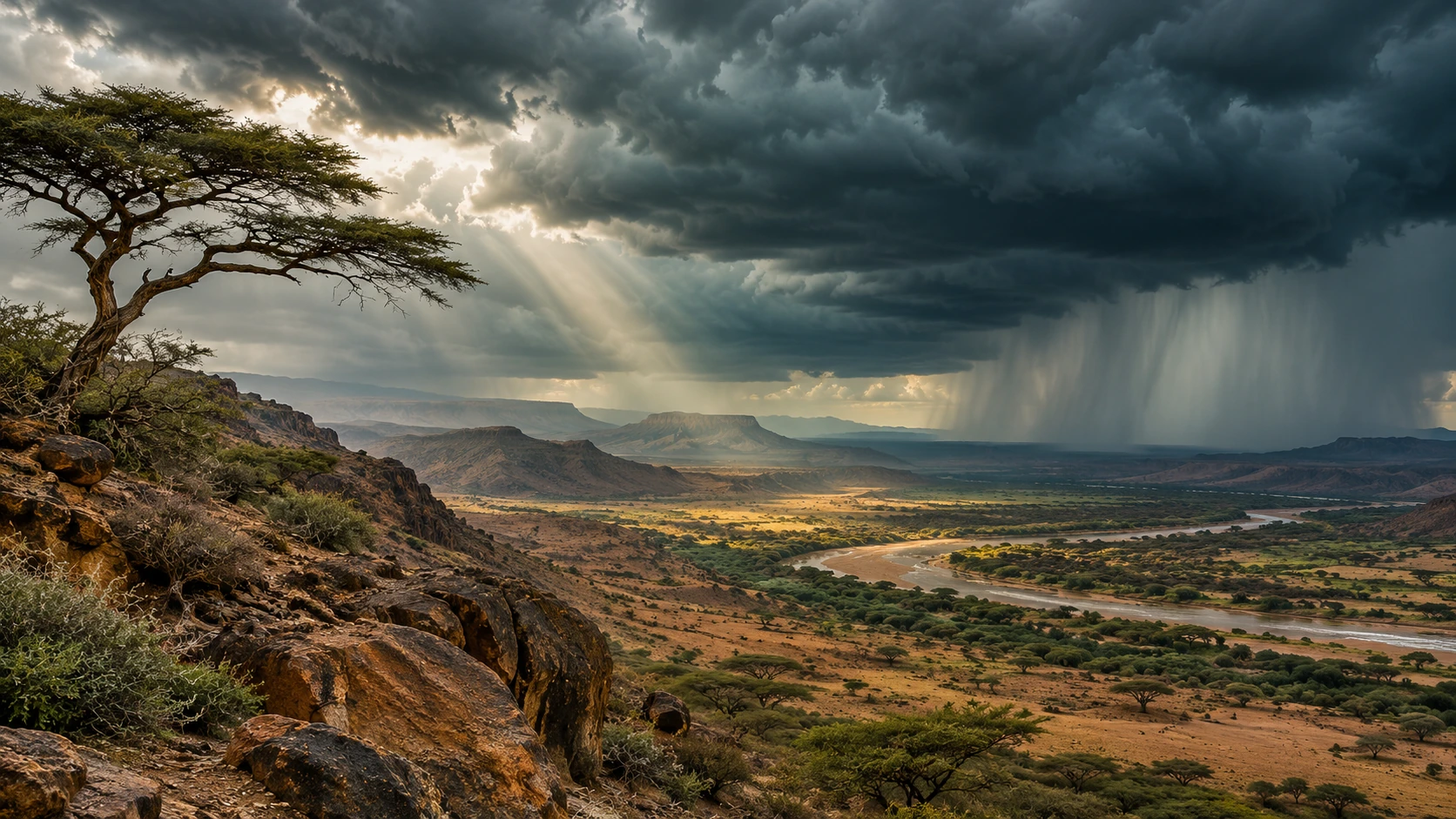
Land, water, vegetation and livelihoods are connected. An intervention that improves one part of a landscape may depend on decisions made elsewhere. Restoration planning benefits from understanding how people use land, where water moves and which pressures are changing over time.
Begin with people and access
Who uses a resource, who makes decisions about it and who bears the cost of change are central questions. Community participation helps identify seasonal use, competing priorities and the practical arrangements that influence whether an intervention can be maintained.
Choose measures that fit
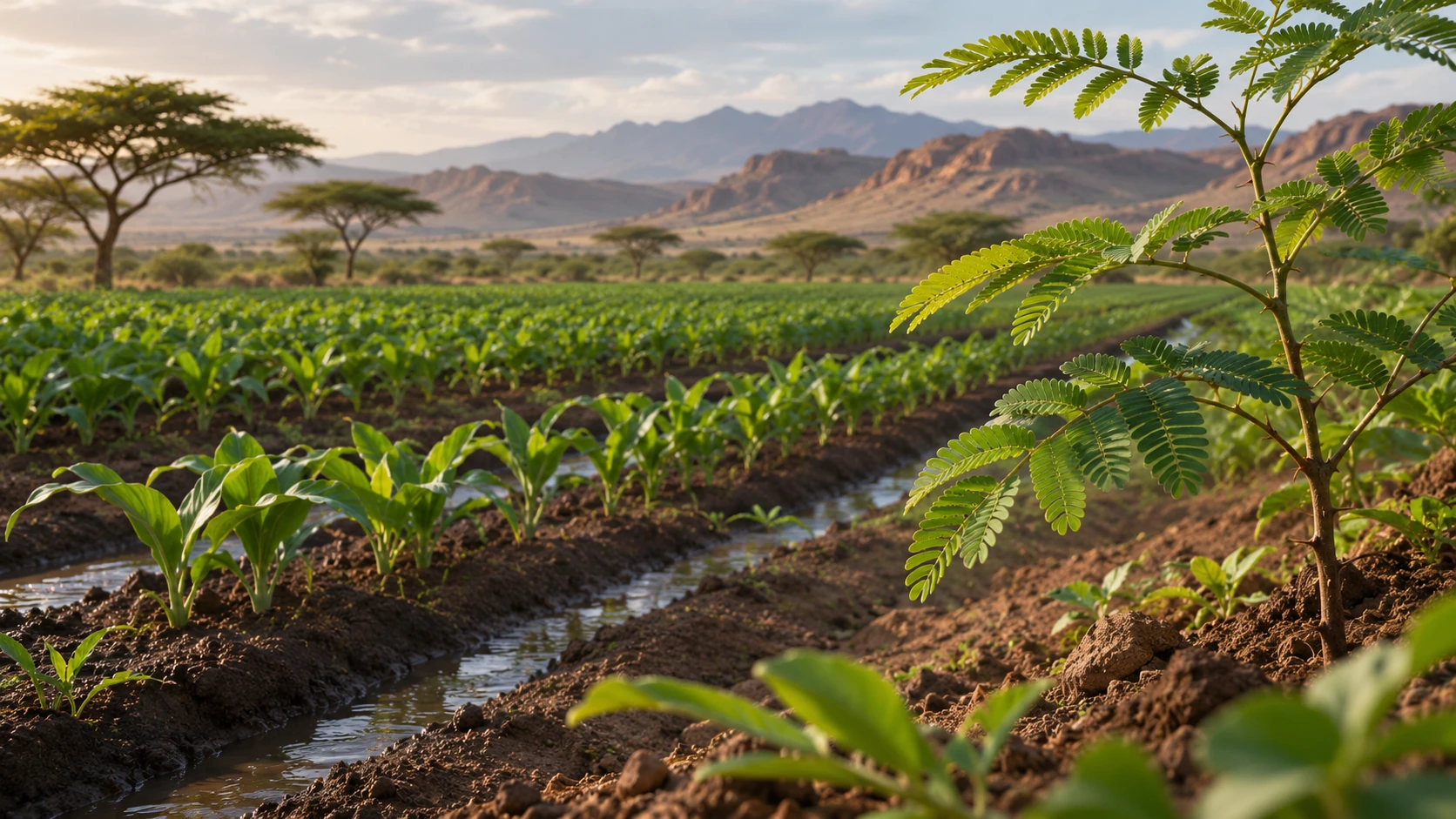
Soil and water conservation, agroforestry, sustainable grazing and climate-informed agriculture can contribute to adaptation. Their suitability depends on local conditions, available skills and resources. There is no single package that works everywhere.
Connect restoration to livelihoods
The benefits people value may include more reliable water, healthier soils, usable grazing, reduced erosion or diversified income. These should be discussed at the design stage so that monitoring reflects both environmental change and the needs of the people involved.
Plan for stewardship
An installation or planting event is a starting point. Ongoing responsibility, maintenance, learning and resource governance shape what happens next. A long-term perspective recognises that ecological processes and institutional relationships take time to develop.