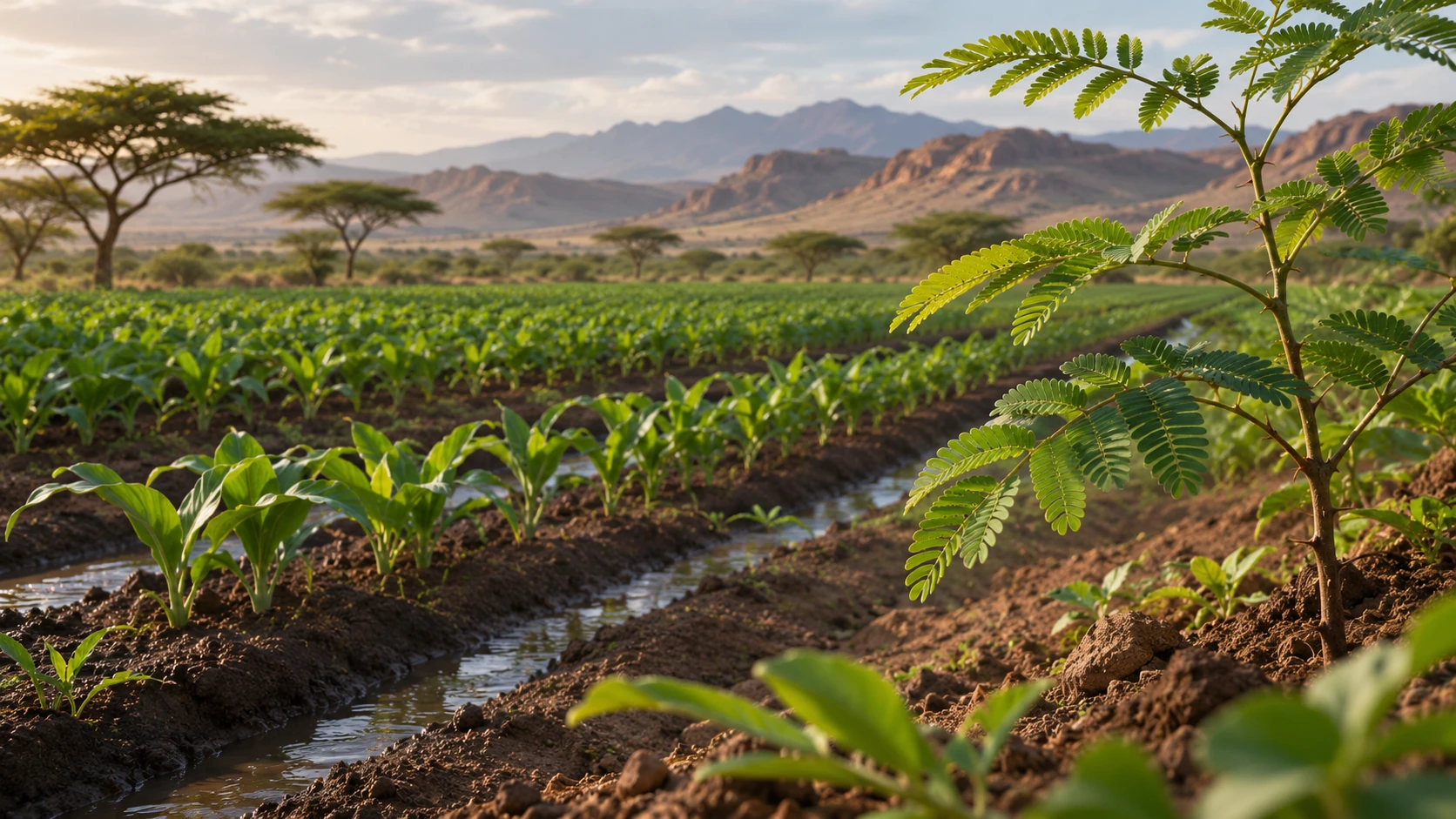

Information is not the same as preparedness
A seasonal outlook can indicate an increased likelihood of dry conditions. Yet that information becomes useful only when people understand what it means for water, pasture, planting or household decisions. Early warning is therefore both a technical task and a question of communication, trust and responsibility.
Start with the decision
An effective approach starts by asking who needs to act, what choices are available and how much time those choices require. A farmer considering planting dates, a water committee managing supplies and an institution preparing support may need different information at different lead times.
Connect signals and context
Rainfall observations and forecasts can be considered alongside locally observed changes in water access, grazing conditions and livelihood pressures. Signals should be examined together, with uncertainty made explicit. A threshold is useful when it is understood, locally relevant and connected to an agreed response.
Make action possible
Preparedness requires more than an alert. Roles, communication channels, resources and feedback need to be considered before a hazard develops. Inclusive discussion helps identify who might be missed by an announcement, who controls access to support and whether the proposed response can actually be carried out.
Learn from each season
After an alert, communities and institutions can review what happened: whether information arrived in time, whether people understood it, which actions were feasible and what should change. This learning strengthens the relationship between warning and action without treating forecasts as guarantees.