Case International has been working in Somalia since 2015, primarily focusing on climate change adaptation and mitigation projects. Our programs have included projects in sustainable land management, agriculture and livelihoods, disaster risk reduction, and capacity building for local communities and government agencies. We work in partnership with Somali and international aid agencies, civil society leaders, and local authorities.
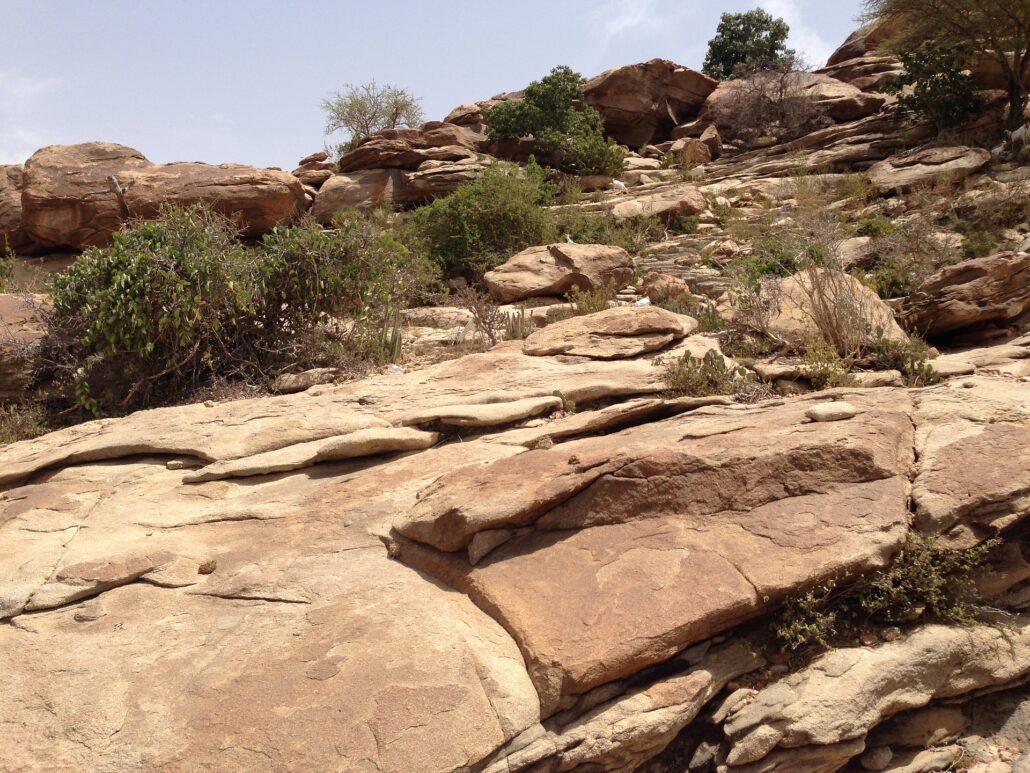
Case International works in the Somalia,Somali land,Djibouti and part of Northern Kenya. which are particularly vulnerable to the impacts of climate change. The region is facing the triple shocks of climate change, including more frequent and severe droughts, floods, and cyclones. These extreme weather events have led to crop failures and food insecurity, especially among vulnerable communities, such as women and children. In response, Case International is working to promote climate-resilient livelihoods, improve disaster preparedness and response, and build the capacity of local communities and government agencies to adapt to the effects of climate change.
Case International’s climate change program in Somalia aligns with the global Sustainable Development Goals (SDGs), specifically Goal 13: Climate Action.
In Somalia, Case International’s work on climate change focuses on:
- Adopting a program approach to demonstrate impact and promote organizational learning
- Reducing the impact of climate-related emergencies on vulnerable communities, particularly women and children
- Improving governance and access to climate-resilient services and resources
Specifically, Case International’s climate change program in Somalia includes activities such as:
- Promoting sustainable land management practices to improve soil fertility, reduce land degradation, and increase resilience to droughts and floods.
- Supporting climate-resilient agriculture practices, such as conservation agriculture and crop diversification, to improve food security and livelihoods.
- Building the capacity of local communities and government agencies to adapt to the impacts of climate change, including training on disaster preparedness and response.
- Advocating for policies and practices that support climate change adaptation and mitigation at the local and national levels.